Bolt Auto Care
0
  • Brake Repair & Brake Service In Gainesville, TX

    Squeaking, grinding, shaking, or worried about your brakes? Bolt Auto Care can diagnose and repair brake concerns on cars, trucks, and SUVs—from brake pads and rotors to calipers, hydraulic systems, and electronic parking brakes.

Common Signs Your Brakes Need Service

Your brakes often give you warning signs before a problem becomes a bigger repair. If you notice any of these symptoms, let Bolt Auto Care take a look.

  • Squeaking or Squealing

Brake noise can come from worn brake pads, brake hardware, surface conditions, or other brake-system issues. Persistent or worsening noise is worth having inspected.

  • Grinding 
Grinding can indicate severely worn brake pads or another brake-system problem. If you're hearing grinding when you brake, don't wait to have it checked.
  • Shaking or Vibration
A steering wheel or brake pedal vibration during braking can indicate a problem with the braking system, but other wheel, tire, or suspension issues can sometimes produce similar symptoms.
  • Soft or Low Brake Pedal

A pedal that feels unusually soft, spongy, or lower than normal can indicate a hydraulic or other brake-system concern and should be evaluated.

  • Pulling while Braking

If the vehicle pulls to one side when braking, the cause could involve uneven braking, a caliper or hydraulic issue, or another vehicle-system problem.


Not sure what's causing the problem?

Brake Inspections in Gainesville, TX

Not every brake problem is obvious from the driver's seat. A brake inspection helps identify visible wear, damage, or other concerns before they become a bigger problem.


What We Check:

Depending on the vehicle and the concern, our technicians may inspect visible brake components through the wheel, including brake pad condition, rotor condition, and other accessible components. We can also evaluate symptoms such as noise, vibration, pulling, or changes in pedal feel.

When More Inspection Is Needed:

Some brake concerns require more than a visual check. If we need to remove a wheel, take measurements, perform additional testing, or diagnose a specific brake-system fault, we'll explain what we recommend and why before proceeding.

Our Goal Is Simple: Find the Cause, Explain the Options

Find the cause of the brake concern, explain what we found, and help you make an informed decision about the repair.
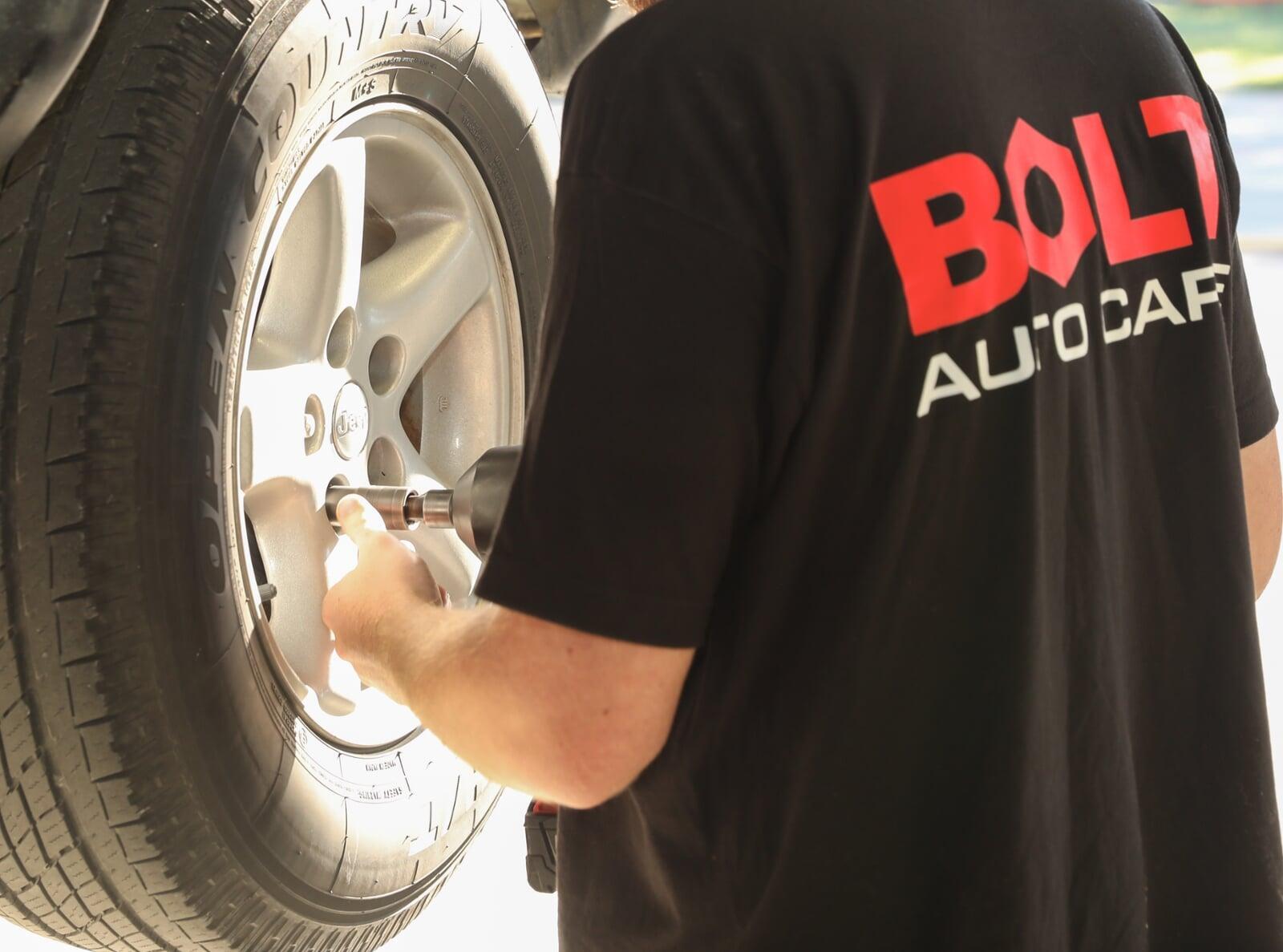

CONCERNED ABOUT YOUR BRAKES?

Schedule Your Free Brake Inspection Today

Ensure your vehicle receives expert care by scheduling your brake inspection with our experienced professionals in Gainesville, Texas. Book your appointment and benefit from our quality products and efficient service. Schedule online for your convenience

Brake Noise and Vibration

Brakes can make different noises or cause different sensations depending on the problem. Persistent noise, vibration, or a change in how your vehicle stops is worth having evaluated.

Squeaking or Squealing Brakes
Squeaking or squealing can have several causes, including brake-pad wear, brake hardware, surface conditions, or other brake-system concerns. A technician can inspect the system and determine whether the noise indicates a repair is needed.

Grinding Brakes
Grinding while braking can indicate significant brake-pad wear or another mechanical problem. Continuing to drive with grinding brakes can allow additional components to become damaged, so it's a good reason to have the vehicle checked promptly.

Shaking or Pulsation When Braking
If the steering wheel, brake pedal, or vehicle shakes or pulses when you brake, the cause may involve the brake system. Rotor condition is one possibility, but wheel, tire, suspension, or other issues can sometimes create similar symptoms. Proper diagnosis helps identify the actual cause.

Not Every Brake Noise Means You Need a Repair
Not every noise means you need new brake pads or rotors. That's why we diagnose the concern rather than automatically recommending parts. We'll explain what we find and what needs attention.

HEARING SOMETHING YOU DON'T LIKE?

Brake Pad & Rotor Replacement

Brake pads and rotors work together to slow and stop your vehicle. Because these components wear over time, checking their condition is an important part of brake service.

Brake Pads
Brake pads are designed to wear as they press against the rotor. When pads become too thin, damaged, contaminated, or otherwise unable to perform properly, replacement may be necessary.

Brake Rotors
Rotors provide the braking surface for the pads. Their condition, thickness, surface condition, and other factors help determine whether they can remain in service or should be replaced.

Do I Always Need New Rotors With Brake Pads?
Not necessarily. Rotor condition and specifications should be evaluated before recommending replacement. If the existing rotors are suitable for continued service, replacing them may not be necessary. If they are worn, damaged, below specification, or otherwise unsuitable, we'll explain why replacement is recommended.

Brake Pads, Rotors, or Both? We'll Explain What Your Vehicle Needs.
Our goal is to identify the condition of the braking system and recommend the repair that is appropriate for your vehicle and the problem we're actually seeing—not simply replace parts because they're there.

NEED YOUR BRAKES CHECKED?

Brake Calipers & Hydraulic System

Brake calipers and the hydraulic system play an important role in applying braking force. When a brake concern doesn't appear to be caused by normal pad or rotor wear, these components may need to be evaluated.

Brake Calipers
Brake calipers apply pressure to the brake pads so they can create friction against the rotor. A sticking, damaged, or otherwise malfunctioning caliper can contribute to uneven braking, pulling, noise, accelerated pad wear, or other brake concerns.

Hydraulic Brake System
Your brake system uses hydraulic pressure to transfer force from the brake pedal to the components that slow the vehicle. Leaks, air in the system, damaged components, or other hydraulic concerns can affect brake performance and pedal feel.

Uneven Brake Wear
If brake pads are wearing unevenly, the cause may involve a caliper, hardware, hydraulic issue, or another component. Finding the reason for the uneven wear is important so the underlying problem isn't simply repeated.

Diagnosis Before Replacement
A brake problem isn't always a worn brake pad. When symptoms point to a caliper, hydraulic system, or another component, we'll diagnose the concern and explain what we find before recommending the appropriate repair.

HAVING A BRAKE PROBLEM THAT ISN'T JUST PAD WEAR?

Electronic Parking Brakes & Modern Brake Systems

Today's vehicles can use electronic controls and other technologies as part of the braking system. These systems can require different inspection and diagnostic procedures than traditional brake components.

Electronic Parking Brakes
Many newer vehicles use an electronic parking brake instead of a traditional hand or foot-operated mechanism. Problems with the electronic parking brake can involve the actuator, controls, wiring, or other related components.

Brake Warning Lights
A brake warning light or message on the dashboard can have several possible causes. The correct response depends on the vehicle and the warning being displayed, so proper diagnosis is important before replacing parts.

Modern Brake Systems
Today's braking systems may include electronic controls, sensors, and other components that work alongside the mechanical brake system. When a warning, unusual behavior, or other concern appears, our technicians can help determine what needs attention.

Diagnosis Matters
Modern brake systems can be more complicated than they look. We'll work to identify the source of the concern and explain what we find before recommending the appropriate repair.

BRAKE WARNING LIGHT ON?

Brake Fluid & Hydraulic Brake Service

Brake fluid transfers hydraulic pressure through the braking system. Its condition and the condition of the hydraulic components can affect brake performance and pedal feel.

Brake Fluid Condition
Brake fluid can absorb moisture over time, and its condition can vary depending on the vehicle, driving conditions, age, and maintenance history. When brake-fluid service is recommended, we'll explain what we're seeing and why.

Brake Fluid Leaks
A leak in the hydraulic brake system can reduce braking performance and should be addressed promptly. Signs can include a change in pedal feel, visible fluid, or a brake warning light.

Soft or Spongy Brake Pedal
A soft or spongy pedal can have several possible causes, including air or other concerns within the hydraulic system. Proper diagnosis helps determine what's causing the change in pedal feel.

Brake Fluid Service Should Be Vehicle-Specific
Brake-fluid service isn't necessarily the same for every vehicle. Maintenance recommendations and service procedures can vary, so we'll follow the needs of your vehicle rather than recommend service based on a one-size-fits-all schedule.

CONCERNED ABOUT YOUR BRAKE PEDAL OR FLUID?

Frequently Asked Questions (FAQ)

How do I know if I need brake repair?

Squeaking, grinding, vibration, pulling, a soft or low brake pedal, unusual brake noise, or a brake warning light can all be reasons to have your brakes evaluated. The right repair depends on what's causing the symptom.

How often should brakes be inspected?

Brake wear varies by vehicle, driving habits, traffic, terrain, and other factors. Regular inspections can help identify wear and other concerns before they become more serious.

Do I need new brake pads and rotors at the same time?

Not necessarily. The condition and specifications of the rotors should be evaluated before replacement is recommended. Depending on their condition, they may or may not need to be replaced with the brake pads.

How long does a brake repair take?

Repair time depends on the vehicle, the problem, the parts required, and the work needed. Once the concern has been diagnosed, we'll explain what the repair involves.

Can I drive with squeaking or grinding brakes?

It depends on the cause and severity of the problem. Grinding, significant changes in braking performance, a soft pedal, or warning lights should be taken seriously. If you're concerned about how your vehicle is braking, schedule a diagnosis so the cause can be evaluated.

What should I do if my brake warning light comes on?

Don't ignore it. A brake warning light can have several possible causes. The appropriate response depends on the vehicle and the warning being displayed, so diagnosis is important before deciding what repair is needed.

Why does my steering wheel shake when braking?

Steering wheel vibration or shaking while braking can be caused by brake component issues, including uneven brake surfaces or rotor problems. Other vehicle components can also contribute to vibration. A brake inspection can help identify the cause and determine what service may be needed.

Is it safe to drive with the brake warning light on?

A brake warning light can indicate an issue with the braking system, such as low brake fluid or another brake-related problem. Because the cause can vary, have the vehicle inspected promptly. If you notice reduced braking performance or significant changes in how the brake pedal feels, avoid continuing to drive and have the vehicle checked.

Do electric and hybrid vehicles need brake service?

Yes. Electric and hybrid vehicles still use braking components that require inspection and maintenance. Regenerative braking can affect how quickly some friction brake components wear, but brake pads, rotors, brake fluid, and other braking system components still need to be checked and serviced as needed.

What does a soft brake pedal mean?

A soft or spongy brake pedal can indicate an issue with the braking system, such as a problem with the brake fluid or hydraulic system. Because pedal feel can change when there is a brake-system problem, have the vehicle inspected to determine the cause and the appropriate service. If the pedal feels significantly different or braking performance is reduced, avoid continuing to drive until the vehicle can be checked.

Why Choose Bolt Auto Care for Brake Service?
Brake Service With Clear Answers, Not Guesswork
When your brakes don't feel right, you deserve to know what's actually happening. At Bolt Auto Care, we focus on identifying the cause of the concern, explaining what we find, and helping you understand your repair options.

We Start With the Problem You're Experiencing
Squeaking, grinding, vibration, pulling, a soft pedal, or a warning light can have more than one possible cause. We evaluate the symptoms and the condition of the brake system rather than assuming the answer before we've looked at the vehicle.

We Explain What We Find
If your vehicle needs brake service, we'll explain the condition we found and why a particular repair is being recommended. Our goal is for you to understand what needs attention before moving forward.

We Don't Automatically Replace Parts
Brake pads, rotors, calipers, hydraulic components, and electronic brake components can all have different causes of failure or wear. Diagnosis helps determine what actually needs attention instead of treating every brake concern the same way. We never replace parts without customer approval. We don't want our customers coming to pick up their car with any surprises on their ticket.

Brake Service for Cars, Trucks & SUVs
Brake systems vary from one vehicle to another. Whether you're dealing with routine wear or a brake concern that needs diagnosis, our team can help determine the appropriate next step for your vehicle.

READY TO FIND OUT WHAT'S WRONG WITH YOUR BRAKES?

Warning: Your car needs scheduled maintenance. Contact Bolt Auto Care in Gainesville, TX.

Looking for Deals?

Bolt Auto Care knows how expensive car care can get. We want to take care of you, so we run deals each month! Click the button below to check out our current deals.

Contact our Gainesville, Texas Location

Call Us or Visit our Auto Repair Shop for all of your automotive service needs..

Bolt Auto Care has provided premier automotive maintenance and repair services to the greater Gainesville area since 2004.
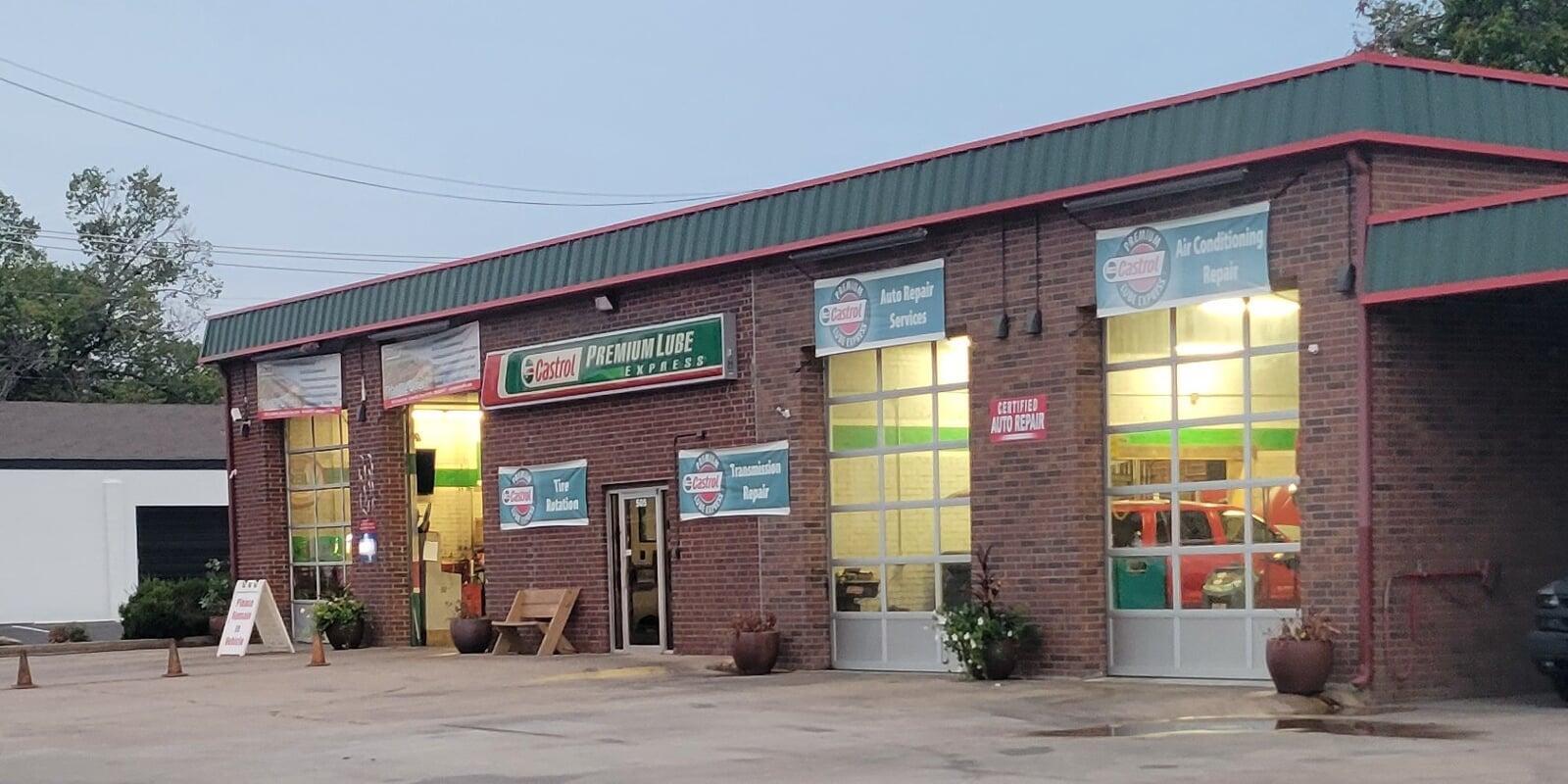
Bolt Auto Care at 505 North Grand Avenue, Gainesville, TX 76240

Tires, Brakes, Oil Changes & Repair

Hours of Operation

Monday thru Friday

8:00 AM to 6:00 PM


Saturday

8:00 AM to 3:00 PM


Sunday

9:00 AM to 4:00 PM

Shop Address

Get Directions

Items have been added to cart.
One or more items could not be added to cart due to certain restrictions.
Close
Added to cart
- There was an error adding to cart. Please try again.
Quantity updated
- An error occurred. Please try again later.
Deleted from cart
- Can't delete this product from the cart at the moment. Please try again later.